Mental arithmetic with the soroban
Your child learns to calculate on the Japanese abacus, then pictures it in their head to beat the calculator. Clear levels, from the first bead to the championship stage.


Practise what you learned
Free interactive trainings on this device, no sign-up.
What is mental arithmetic?
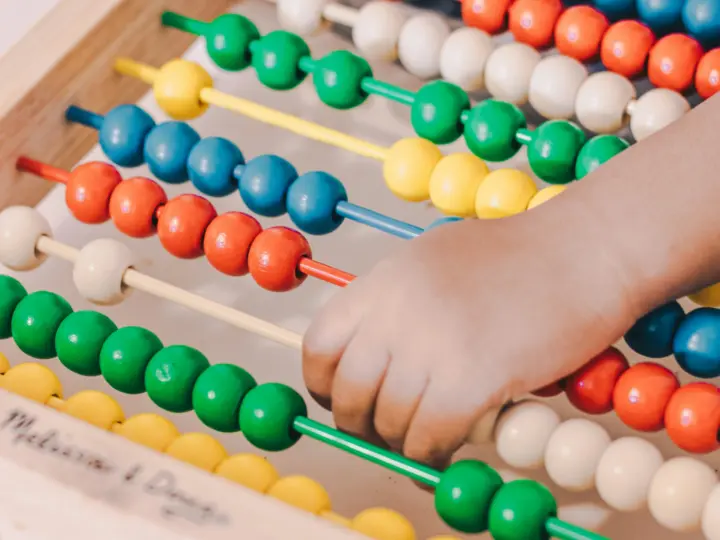
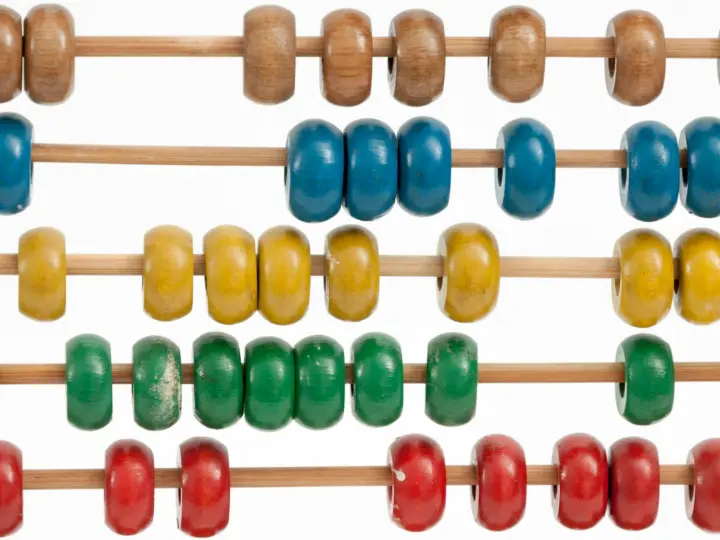
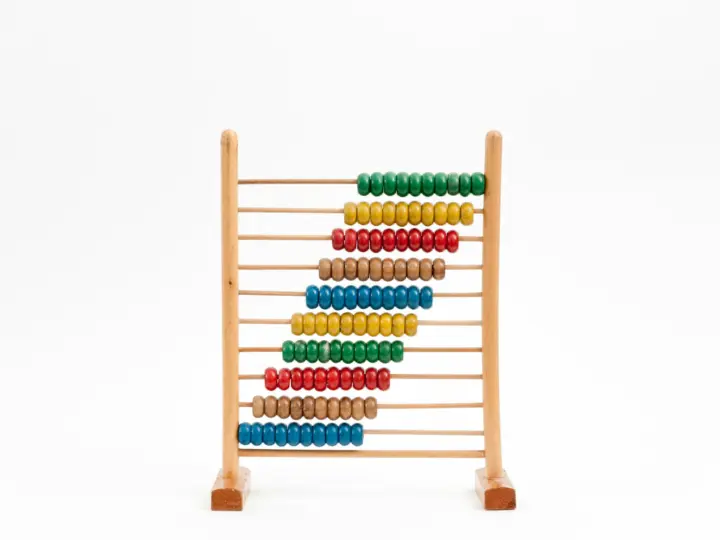
Mental arithmetic is a Japanese method that is hundreds of years old. Children start by moving soroban beads with their fingers to add and subtract. With practice the abacus forms in their imagination, so they move the beads in their head and reach the answer without paper or pen.
The result is more than speed: children learn to focus, visualise and order their steps, skills that help in every subject.
- Heaven bead = 5
- The single bead above the bar. It counts when moved down to the bar.
- Earth beads = 1 each
- The four beads below the bar. They count when pushed up to it.
What your child gains
Calculation speed
Adds and subtracts multi-digit numbers in seconds.
Focus
Follows a whole string of numbers without drifting.
Visual memory
Sees the abacus in his mind and remembers each bead.
Confidence
Solves faster than classmates and speaks up in class.
A love of maths
Maths becomes a game they want to win.
Orderly thinking
Breaks a big problem into small steps.
6 stages from abacus to imagination
Each stage takes two to three months and ends with a test and a certificate. The free assessment sets your child's starting point.
- 01
Foundation
Meets numbers and the abacus, and sets values from 0 to 99.
Ages 4–6 - 02
Direct adding & subtracting
Sums that need no bead swaps, at rising speed.
Ages 6–8 - 03
Friends of five
Uses complements of five: 4 = 5 − 1.
Ages 6–8 - 04
Friends of ten
Carrying and borrowing with complements of ten.
Ages 7–9 - 05
Multiplying & dividing
Multi-digit times and division on the abacus, then in the head.
Ages 8–11 - 06
Advanced mental arithmetic
Flash Anzan and long number chains, ready for championships.
Ages 9–14
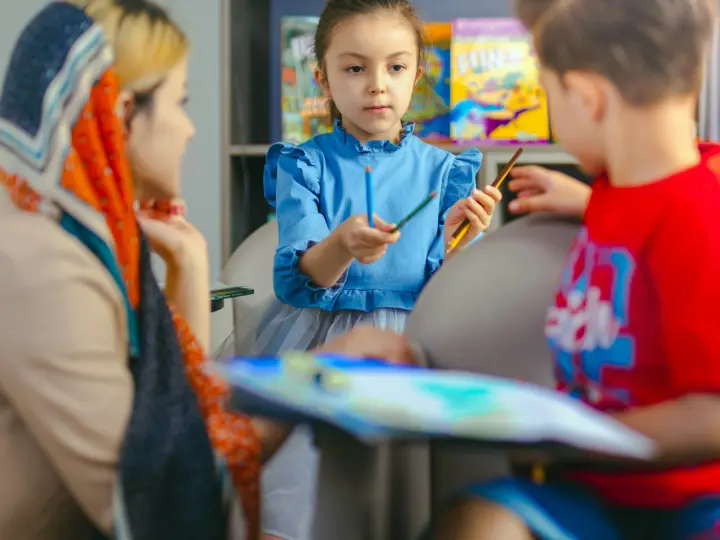
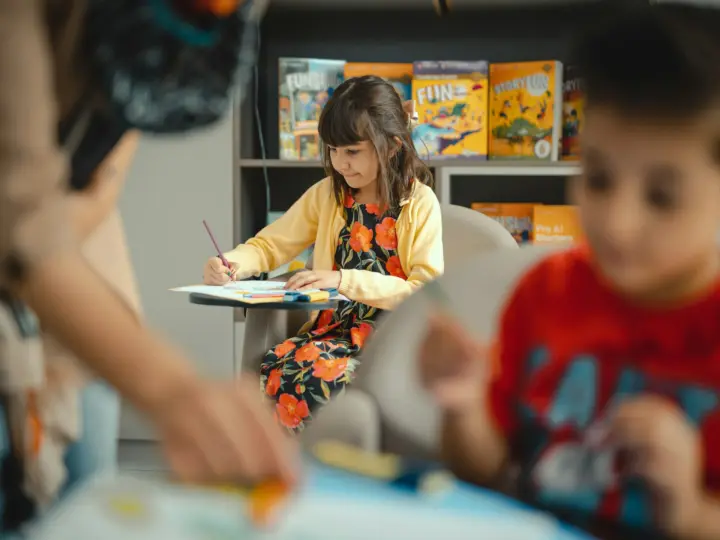
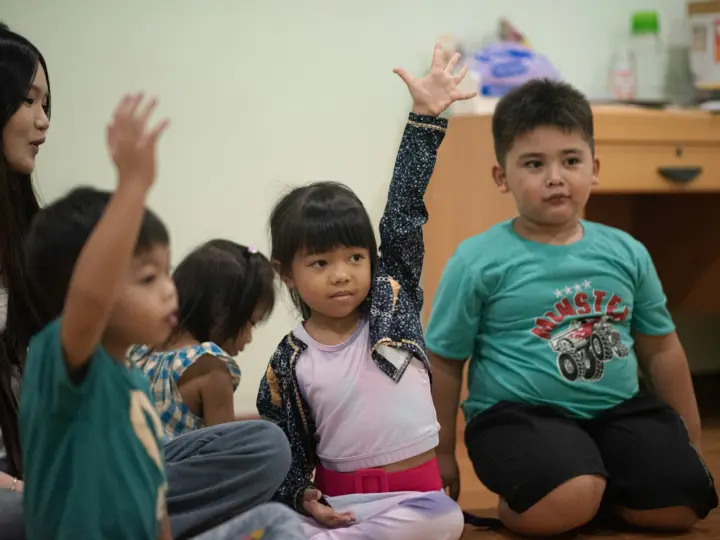
See a class from inside
Questions about Mental Arithmetic
Your child gets an abacus and the level book at the start, and can also practise on the free Top Soroban training on this site.
Usually one or two sessions a week of one to two hours, plus 10 minutes of practice at home each day.
Yes. He starts at the foundation level, which teaches numbers and the abacus through play. The free assessment confirms the right start.
Yes. It builds number sense, speed and focus, the base of every maths lesson.
They can return to the same level after a short review with the trainer; by level three the skill sticks.
Ready to start with the abacus?
A free 30-minute assessment, then we suggest the level and the nearest trainer.